Medical device prototyping is the bridge between a promising healthcare idea and a reliable product. It is where engineers and clinicians build early models, challenge assumptions, and refine concepts for real-world use. By identifying flaws before mass production, prototyping protects patients, saves resources, and turns ambitious research into practical medical tools.
The field is changing quickly. Advanced manufacturing—especially 3D printing—new materials, AI-assisted design, and more flexible regulation are reshaping how prototypes are made and tested. These developments help teams create safer, more sustainable devices while reducing costs and shortening the path from concept to patient care.
Rapid iteration has become a defining advantage. Instead of waiting months for a single version, teams can produce multiple design generations in a short period and evaluate each one for weaknesses. This cycle lowers risk, supports faster regulatory review, and keeps patient safety at the center of every decision.
Miniaturization is another major force. From insulin pumps to cardiac monitors, medical technology is becoming smaller and smarter. Prototypers now fit sensors and electronics into compact enclosures so devices are more comfortable, mobile, and easy to integrate into daily life.
Sustainability is also influencing design choices. Concerns about plastic waste are pushing developers toward biodegradable plastics, plant-based composites, and recycled metals. The goal is to reduce environmental impact without compromising healthcare performance, proving that medical progress and ecological responsibility can move together.
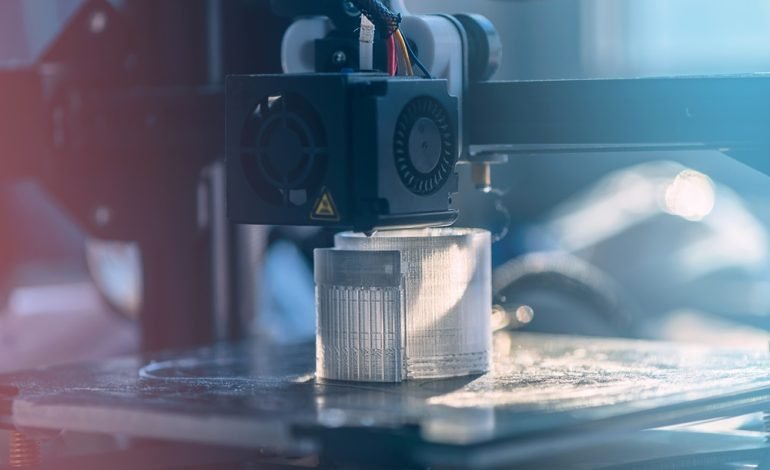
3D printing has become a leading method for medical device prototyping. Faster printers can produce complex models overnight, allowing teams to iterate quickly and collect clinician feedback sooner. That speed can remove months from traditional development schedules. Advanced printing materials—such as biocompatible resins and metal powders—enable intricate components that meet strict medical standards. Multi-material printers can also combine flexible and rigid sections in a single build, creating prototypes that more accurately simulate the final device.

Virtual reality is changing how prototypes are evaluated. VR can simulate how a device interacts with the human body, letting developers visualize internal structures, test motion pathways, and spot stress points before a physical model exists. Engineers can use headsets to inspect fits, check clearances, and try alternate component placements in seconds. With real-time physics simulations, virtual environments predict performance across different conditions. This reduces the number of physical prototypes, speeds development, and lowers production costs while allowing diverse teams to refine designs safely.
Artificial intelligence is another powerful accelerator. AI can automate design optimization by analyzing thousands of variations to find the best shape, size, and material properties for a specific function. Engineers feed in parameters such as intended use scenarios or mechanical stress limits, and the system suggests designs that meet those requirements without unnecessary bulk. The result is lighter, stronger prototypes that behave more like final products, reducing costs and supporting patient well-being.
Regulators are adapting to this faster pace. Some have introduced sandboxes where medical device prototyping can proceed under relaxed rules for testing and validation. These controlled environments let developers gather real-world data without long delays. Early feedback then informs safety, effectiveness, and the documentation needed for formal submissions. Experts can review potential hazards, software reliability, and electromagnetic compatibility, especially for connected devices that share data wirelessly. By resolving compliance questions early, innovators and regulators create a smoother route to approval.
Open-source collaboration is expanding beyond software. In medical device prototyping, global teams now share designs and discoveries under open licenses. This reduces duplicated research, accelerates innovation, and broadens access. Startups and universities can contribute, upload CAD files and instructions to public forums, and test versions in clinics or maker spaces. By pooling expertise, these communities break down barriers in specialized equipment and turn promising prototypes into global healthcare solutions without heavy licensing costs.
Point-of-care production is bringing prototyping closer to patients. Hospital-based labs with small 3D printers and machining tools allow clinicians to test ideas on-site and adapt treatments quickly. Surgeons can print patient-specific anatomical models to plan procedures. Technicians can assemble custom braces or implants in hours instead of weeks. This shortens the production gap, reduces unused inventory, and creates immediate feedback loops. The outcome is more personalized treatment and significantly shorter lead times.
Material selection remains critical. Biocompatible polymers such as PEEK and medical-grade silicone lower the risk of rejection or contamination. Titanium and cobalt-chrome alloys provide strength without excessive weight. These materials must pass sterilization tests so prototypes can survive real hospital environments. Engineers consider temperature resistance, tensile strength, and chemical compatibility from the beginning. Choosing the right alloy or polymer minimizes later design changes and helps prototypes mirror production units closely enough for confident clinical trials.
Software integration is streamlining development. Modern CAD tools connect directly with simulation modules, so designers can adjust part geometry and immediately run stress analysis. This workflow catches weak points earlier and prevents last-minute redesigns. Some platforms include version control that tracks every change, which supports regulatory submissions by showing thorough testing and adjustments. Automatic file syncing keeps teams from working with outdated specifications. By merging design and documentation, integrated software improves accountability, clarity, and prototype quality.
Digital twins add another layer of insight. These virtual replicas mirror a medical device in detail, allowing engineers to simulate how design or material changes affect performance. Predictive analytics can then use device usage data and patient profiles to forecast wear rates or stress points before manufacturing begins. As clinical study data accumulates, these models become sharper and provide more accurate guidance for safer, more effective products.
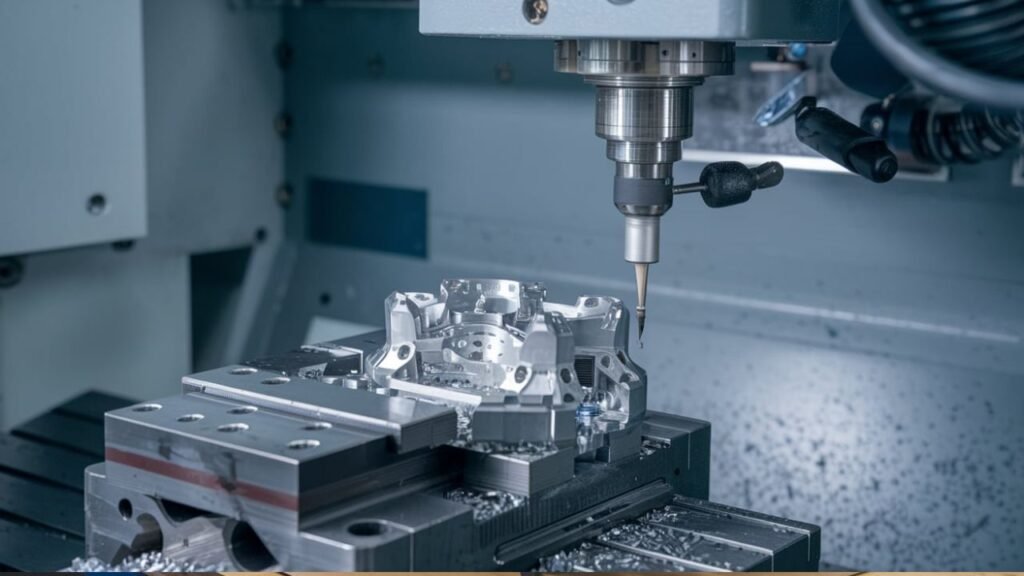
Multi-axis machining addresses complex geometries and tight tolerances. Four- and five-axis cutters shape parts with greater precision, which is useful for curved surgical tools, custom implants, and multi-chamber pumps. Advanced CNC programming simulates each cutting pass, verifying angles and toolpaths, preventing collisions, and reducing wasted material. Because multi-axis methods need fewer repositioning steps, final parts maintain consistent quality in critical functional areas. Faster machine cycles also lower overhead, freeing resources for further research and iterative design.
Choosing a prototyping technique should be based on budget, complexity, and intended materials. A side-by-side comparison of features, cost considerations, and lead times can clarify which method fits a project. Frequently, combining techniques produces the best result, especially when a prototype demands both fine detail and mechanical strength.
Cybersecurity is now part of early prototyping for connected devices. Because these products collect patient data, developers must embed encryption, secure boot protocols, and authentication measures from the start. Security audits should also examine hardware vulnerabilities such as exposed ports or tampering risks. Simulating potential attacks helps teams see whether data could be intercepted or altered. Fixing these issues early avoids costly redesigns and builds trust among doctors, patients, and stakeholders.
Medical device prototyping has become a fast, collaborative discipline shaped by advanced materials, automation, and global cooperation. From 3D printing to multi-axis machining, each innovation improves the journey from concept to clinic. Teams can test faster, address regulatory concerns earlier, and explore personalized care in new ways. By treating sustainability and cybersecurity as core requirements, they create prototypes that reflect modern values and protect patients. As these trends mature, healthcare breakthroughs will continue to arrive at remarkable speed.
Frequently asked questions:
Why is speed so important in medical device prototyping?
Speed shortens the development timeline and brings clinician feedback sooner. Faster prototypes help teams catch errors early, avoiding large-scale manufacturing problems. This agility allows new treatments and tools to reach patients much earlier.
Do advanced materials significantly affect device safety?
Materials such as titanium and PEEK offer biocompatibility and strength, reducing rejection risk. Their durability helps devices withstand sterilization and frequent use. Better material choices lower failure rates and improve outcomes for clinicians and patients.
How do regulatory sandboxes help innovators?
They allow developers to test concepts under relaxed rules while collecting performance data. Finding design flaws early reduces rework. These controlled settings also encourage cooperation with regulators, helping prototypes meet guidelines while shortening the time to approval.