A promising product idea can stall if there is no way to see it, hold it, or test it in the real world. In the past, the only path was waiting weeks for a prototype made with expensive molds and specialized tools. 3D printing has removed that bottleneck. Designers and engineers can now turn a digital file into a physical object within hours, making it possible to test, tweak, and improve designs at a pace that was previously unimaginable.
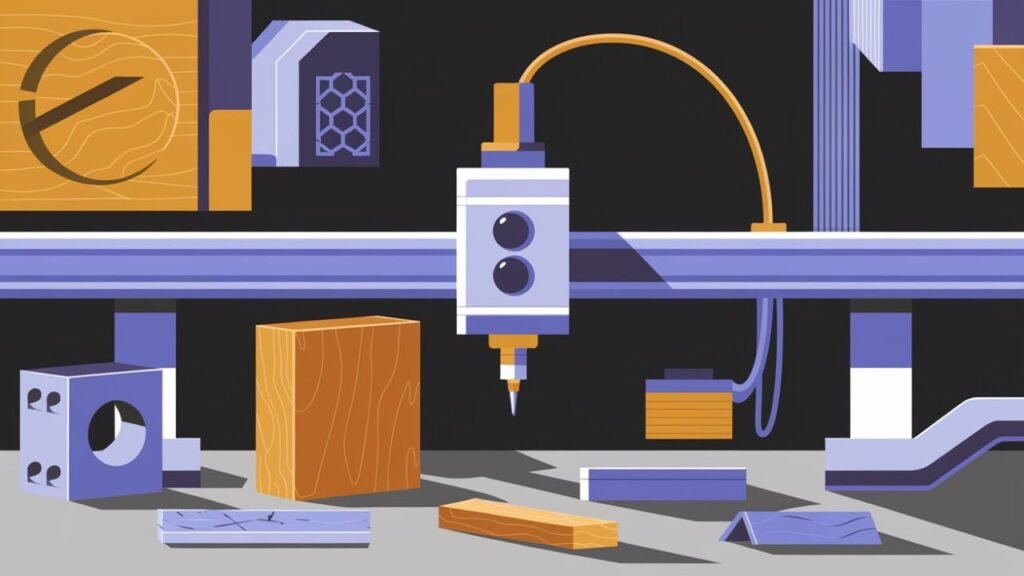
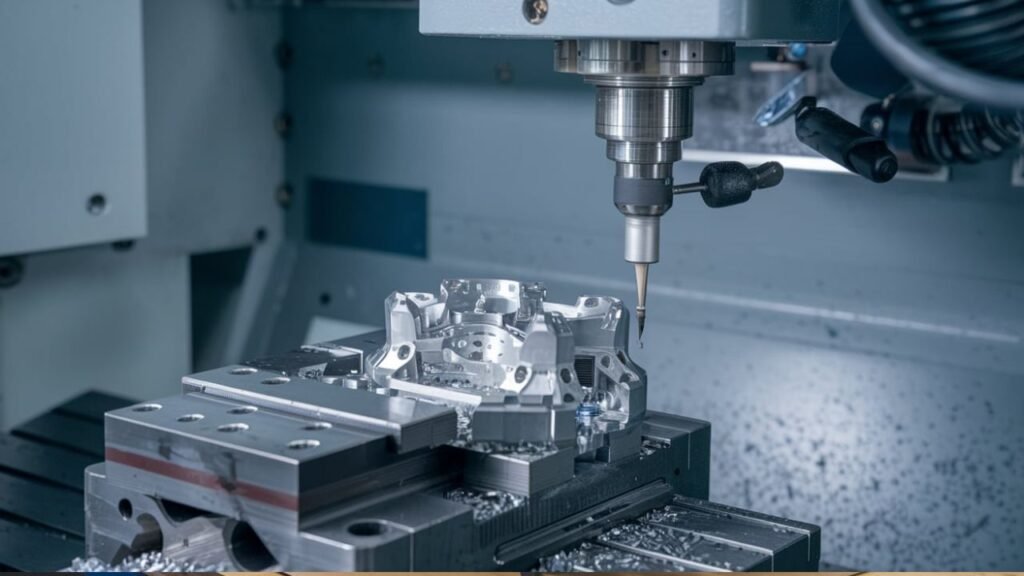
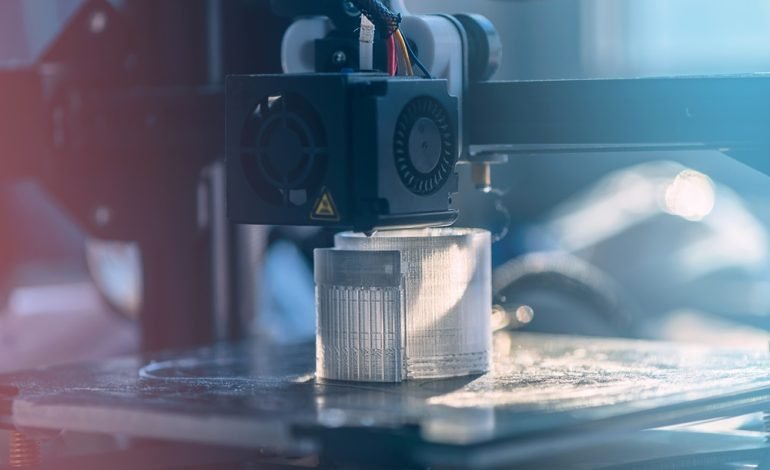
At its core, 3D printing for prototyping is an additive process: material is laid down layer by layer until the part is complete. This approach eliminates the need for traditional tooling and machining. It also opens the door to complex internal structures, curved channels, lattice frameworks, and moving components that conventional methods would struggle to produce. Common materials range from plastics and resin to metal powders and biodegradable filaments, giving teams ample flexibility to match the prototype to its intended use.
The most obvious advantage is speed. Instead of waiting days or weeks for a single part, teams can print a prototype in a few hours, evaluate it, modify the digital design, and print again. This rapid iteration cycle is especially valuable under tight deadlines. It also changes the economics of product development. Without costly molds, tooling, and machine setup, the upfront cost of creating a prototype drops dramatically. Companies pay mostly for the material used, and because mistakes are caught early, the risk of expensive rework later declines as well.
In the automotive industry, for example, 3D printing lets manufacturers produce engine components, body panels, and interior details in hours rather than weeks. Designers can create realistic models for crash testing, safety analysis, and airflow studies, and they can experiment with lightweight composites or eco-friendly plastics. Automakers such as Ford use rapid prototyping to reduce both time and cost for each design iteration, enabling them to stay competitive in a fast-moving market.
Healthcare is another area where this technology is making a real difference. Surgeons can practice on 3D-printed anatomical models derived from actual patient scans, improving their understanding of complex cases before entering the operating room. Medical device companies can print prosthetic limbs, implants, and surgical tools for testing before mass production. Custom prosthetics, in particular, can be created in a fraction of the time required by traditional methods, giving patients faster access to better solutions.
Aerospace depends on precision, reliability, and weight savings, and 3D printing delivers on all three. Engineers can test functional prototypes of turbine blades, engine parts, and structural elements with complex geometries that reduce material use without sacrificing strength. By using lightweight titanium or composite materials and printing intricate designs, aerospace companies can accelerate development timelines and get products to market sooner while maintaining strict performance standards.
Consumer product teams also benefit from the ability to create and test functional prototypes with real users. Whether it is a phone case, a smartwatch, a kitchen tool, or a toy, designers can produce multiple versions quickly, gather feedback, and refine the product before committing to expensive production. In fashion, designers are using 3D printing to build intricate shoes, clothing, and accessories, and even to create customized pieces that fit perfectly, reducing waste and opening new possibilities for sustainable design.
Sustainability is a hidden strength of this process. Traditional manufacturing often starts with large blocks of material and cuts away excess, creating significant scrap. Additive manufacturing, by contrast, places material only where the design requires it. In some cases, 3D printing can reduce material waste by up to 90 percent compared with conventional methods, making it an attractive option for businesses that want to lower their environmental footprint while maintaining quality and speed.
For startups and small businesses, this levels the playing field. There is no need for large capital investments in molds and tooling before a product can be tested. A small team can produce a prototype cheaply, learn from it, and pivot quickly. It also improves collaboration across design, engineering, and manufacturing because teams can share digital files, print parts on demand, and make decisions in real time rather than waiting for handoffs between departments.
Finally, 3D printing is beginning to reshape supply chains. Instead of relying on distant suppliers and stockpiling inventory, companies can print prototypes, and in some cases final parts, locally and on demand. This reduces shipping delays, lowers storage costs, and avoids overproduction. The ability to respond quickly to changing demand makes the entire product development process leaner and more resilient.
3D printing in prototyping is far more than a passing trend. It is a practical tool that accelerates innovation across industries by combining speed, cost efficiency, design freedom, and sustainability. For businesses that want to move from idea to market faster, adopting 3D printing for prototypes is no longer a question of whether—it is a question of how soon they can start.