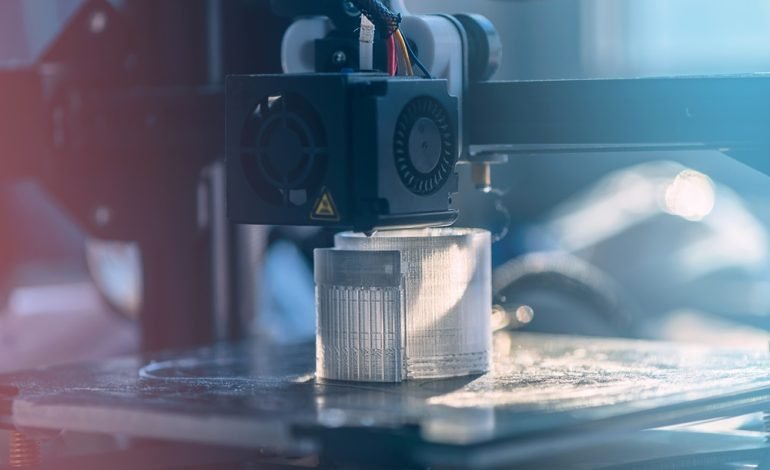
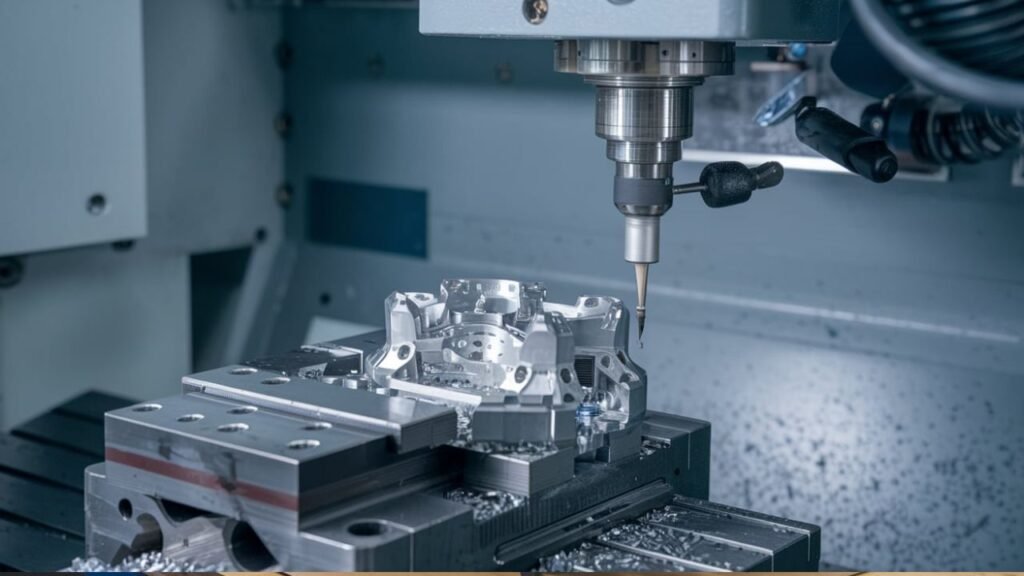
A small component in your hand may seem ordinary, but it could represent a major shift in how products are made. Sustainable 3D printing is moving beyond experimental workshops and entering mainstream manufacturing, helping businesses create goods with less waste, lower energy demands, and more responsible materials. The technology is not simply an alternative to conventional production—it is becoming a practical path toward cleaner, more efficient manufacturing.
At its core, sustainable 3D printing uses additive manufacturing to build items layer by layer instead of removing material from larger blocks. That difference matters. Traditional processes can generate substantial scrap, consume significant energy, and rely on materials that are difficult to reuse. 3D printing, when designed with sustainability in mind, can use only what is needed, support recycled inputs, and enable products that are easier to repair, repurpose, or recycle.
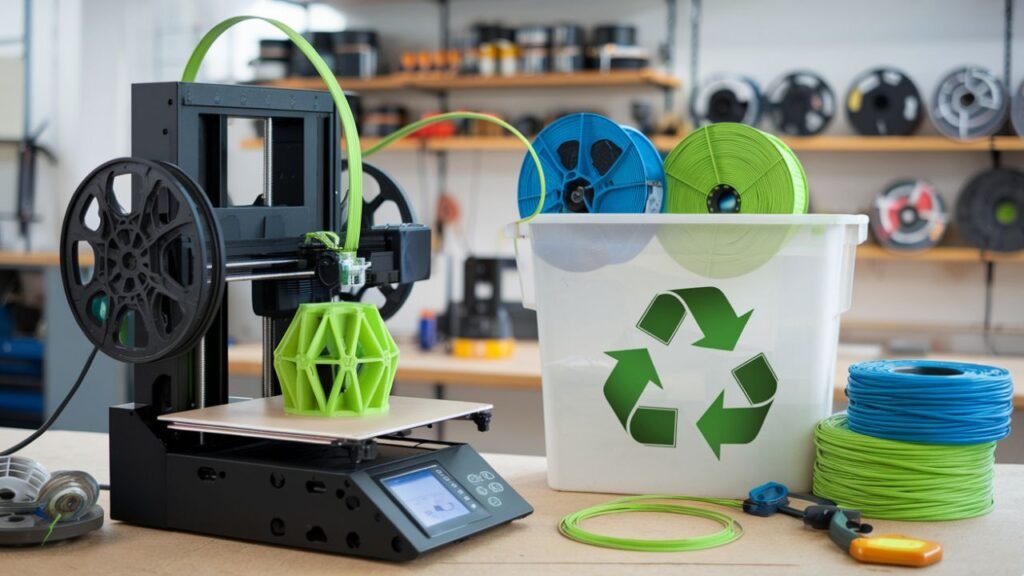
This approach is especially valuable in an era where companies are under pressure to reduce their environmental impact without sacrificing performance. Instead of treating sustainability as a constraint, many manufacturers are using it as an innovation driver. Greener production methods are helping them rethink design, shorten supply chains, reduce inventory waste, and create products that better match modern expectations for responsible consumption.
HP is one of the most visible examples of this transition. Known for decades of printing and imaging technology, HP has positioned itself as a leader in sustainable additive manufacturing through its Multi Jet Fusion platform. The company is not only improving speed and precision but also exploring how recycled plastics can become part of industrial 3D printing workflows. Its ambition to move toward greater use of recycled materials, including recycled plastic bottles, shows how established manufacturers can reshape production with environmental goals in mind.
A key part of HP’s sustainability story is circularity. Recycled nylon, for example, can be reused in 3D printing processes, helping reduce the need for virgin material and keeping resources in use longer. That aligns with a broader circular economy model, where products and materials are designed to return to the production cycle rather than end up as waste. HP’s efforts suggest that sustainability and high-quality manufacturing can reinforce each other rather than compete.
EOS is another company advancing sustainable 3D printing through a different but equally important angle: energy efficiency and material optimization. Specializing in laser sintering, EOS helps turn powdered materials into strong, functional parts. Its machines are designed to reduce unnecessary energy use while maintaining industrial performance. In sustainable manufacturing, energy consumption is often as critical as material choice, and EOS addresses both by making production processes more precise and less wasteful.
The company’s focus on reducing material waste is particularly significant. Traditional manufacturing can leave behind excess stock, offcuts, and unusable byproducts. Additive manufacturing can limit those losses by building only what is required. EOS is also exploring bio-based materials that may offer a more environmentally responsible alternative to conventional plastics. This direction points to a future where 3D printing supports cleaner materials, lower emissions, and smarter resource management.
Materialise has built its reputation around helping manufacturers move toward a circular economy. Rather than simply producing objects, the company emphasizes systems where parts, materials, and components are reused, repaired, and recycled. Its work with used nylon powders is a strong example of how waste streams can become production inputs. By turning materials that might otherwise be discarded into usable 3D printing resources, Materialise helps reduce the environmental burden of both manufacturing and finished products.
Another important benefit of Materialise’s approach is its challenge to overproduction. Many industries still operate on the assumption that making more than needed is safer, but that logic creates inventory waste and unnecessary emissions. On-demand 3D printing allows companies to produce closer to actual demand, reducing surplus stock and limiting the environmental cost of excess manufacturing.
Carbon is pushing sustainable 3D printing through speed, efficiency, and material innovation. Its Digital Light Synthesis technology enables faster production of advanced parts while supporting a more waste-conscious manufacturing model. Carbon’s materials are designed not only for performance but also for recyclability and reuse. Its Elastic Nylon, for example, offers flexibility and durability while supporting a more circular lifecycle, making it useful across automotive, consumer goods, and other demanding applications.
What makes Carbon’s work notable is that it connects sustainability with economic value. A process that reduces waste, improves material reuse, and lowers energy consumption can also become more competitive. This is a crucial point for businesses that may worry that environmental responsibility adds complexity or cost. Carbon shows that sustainable 3D printing can streamline production while supporting more responsible material choices.
Stratasys is also playing a major role in making 3D printing more sustainable. As one of the most recognized names in the industry, it has focused on reducing material waste through more precise printing and supporting recycled material systems. Its offerings include eco-friendly materials such as PLA, a biodegradable filament derived from renewable plant-based resources. This gives manufacturers more options when designing products that are both functional and less harmful to the environment.
Stratasys is especially relevant in industries such as automotive and aerospace, where weight reduction and material efficiency can have a major environmental impact. Lighter parts can improve fuel efficiency and lower emissions over a product’s lifetime. By enabling more optimized designs, Stratasys helps manufacturers move beyond simple material substitution and toward smarter, more sustainable product engineering.
Xaar brings a slightly different perspective to sustainable 3D printing. While many companies focus on creating solid objects, Xaar is exploring environmentally responsible printing systems, including bio-based inks for 3D applications. This matters because sustainability is not only about the final product; it also includes the materials used during production. Safer, recyclable, or less harmful printing materials can reduce the environmental footprint of the entire manufacturing process.
Voxeljet stands out for large-scale 3D printing, particularly in industries that require big components or tooling. Its work with sand-based printing is a strong example of sustainable manufacturing in heavy industry. Sand is abundant, reusable, and can be recycled within the printing process. This makes it a practical material for producing molds and patterns used in casting, especially in automotive and aerospace applications. Voxeljet’s on-demand capabilities also help reduce excess inventory and unnecessary production.
Tinkercad, part of the Autodesk ecosystem, contributes to sustainable 3D printing in a more accessible way. It may not be a large-scale industrial manufacturer, but it plays an important role in democratizing design. By helping small businesses, educators, and hobbyists create parts optimized for additive manufacturing, Tinkercad encourages more efficient use of materials and broader adoption of sustainable production thinking. When more people understand how to design with waste reduction in mind, sustainability becomes embedded across the manufacturing chain.
The wider impact of sustainable 3D printing is already visible across multiple industries. In automotive and aerospace, companies use additive manufacturing to create parts that would otherwise require extensive cutting, milling, or assembly. In medicine, 3D printing supports custom prosthetics, implants, and patient-specific devices, often reducing the waste associated with mass production. Even fashion is exploring the technology through recyclable materials, precision design, and lower-waste production methods.
One of the most compelling arguments for sustainable 3D printing is that it can reduce material waste dramatically. Some estimates suggest that additive manufacturing can cut material waste by up to 90% compared with certain traditional processes. While results vary by application, the potential is clear: when products are built with precision, on demand, and with reusable materials, the environmental impact can be much lower.
Looking ahead, the future of sustainable 3D printing will likely involve more than just new machines. The next stage depends on better materials, smarter recycling systems, and more environmentally responsible design standards. As bio-based filaments, recycled powders, and energy-efficient printing technologies become more common, 3D printing may evolve from a niche manufacturing method into a central pillar of sustainable industry.
The companies driving this change are proving that environmental responsibility and innovation are not opposing forces. By reducing waste, improving material reuse, and rethinking production models, they are setting a standard for manufacturing that is cleaner, more efficient, and more adaptable. Sustainable 3D printing is no longer just a promising concept—it is becoming a practical foundation for the future of production.