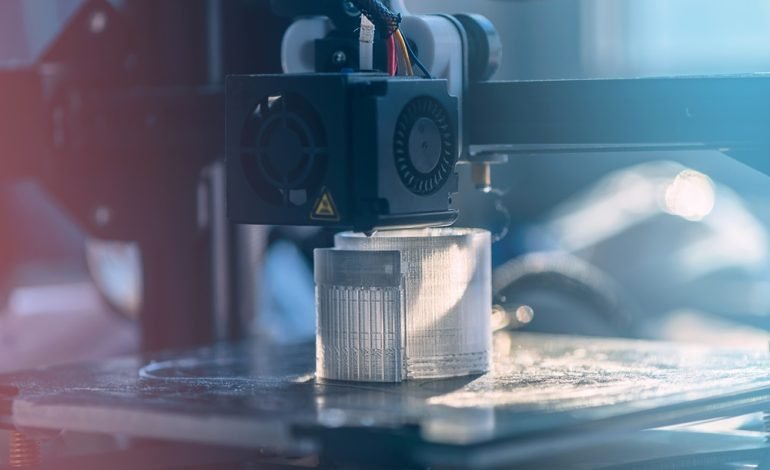
Plastic fabrication is a cornerstone of modern manufacturing because it turns versatile polymer materials into functional parts for demanding industries. Instead of relying on a single technique, manufacturers use a family of processes to cut, shape, join, and finish plastics. This makes it possible to produce everything from tight-tolerance components to large structural pieces, whether the project calls for a one-off prototype or a high-volume production run.
At its core, the process is about adapting material behavior to a design goal. Thermoplastics and thermosets can be heated, machined, formed, or bonded in different ways, allowing engineers to balance strength, weight, surface quality, and cost. The result is a manufacturing route that supports complex geometries, custom dimensions, and repeatable performance.
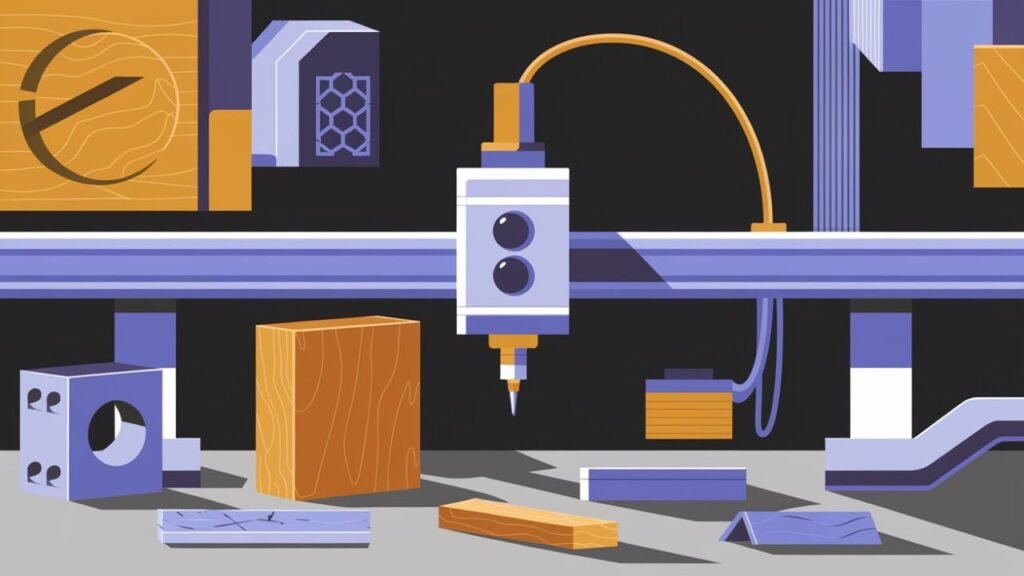
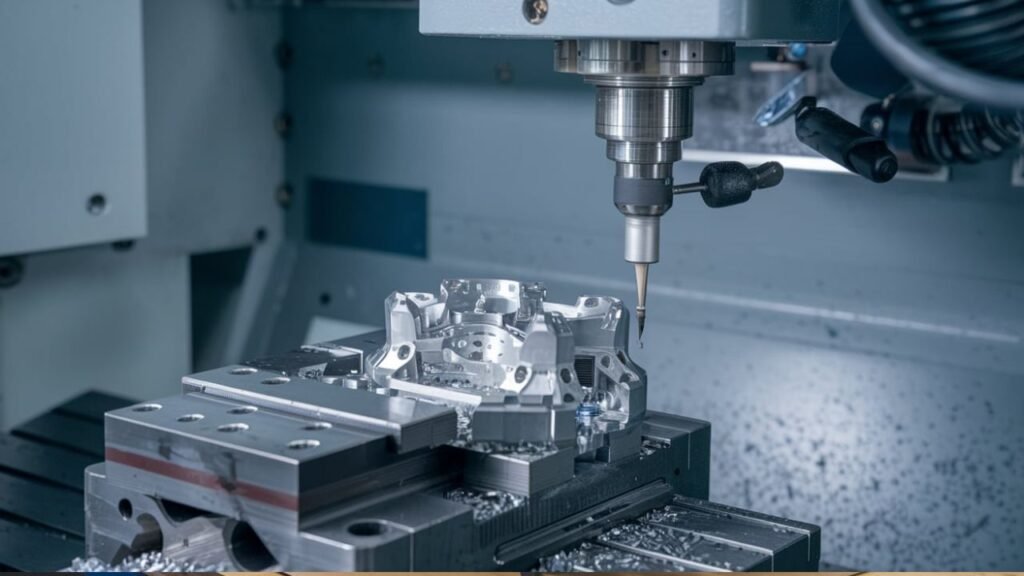
Several techniques dominate the field. Injection molding forces molten plastic into a precision mold, making it ideal for large quantities of identical parts with detailed features. CNC machining removes material from a plastic sheet or block using programmed toolpaths, which is especially useful for prototypes, low-volume batches, and components that require exacting dimensions without expensive tooling.
Plastic welding provides another essential capability. By applying heat, pressure, or vibration, manufacturers can fuse compatible plastic parts into permanent assemblies. Methods such as hot gas welding, ultrasonic welding, and friction welding are commonly used for tanks, pipes, enclosures, and other products where a strong, leak-resistant joint is needed.
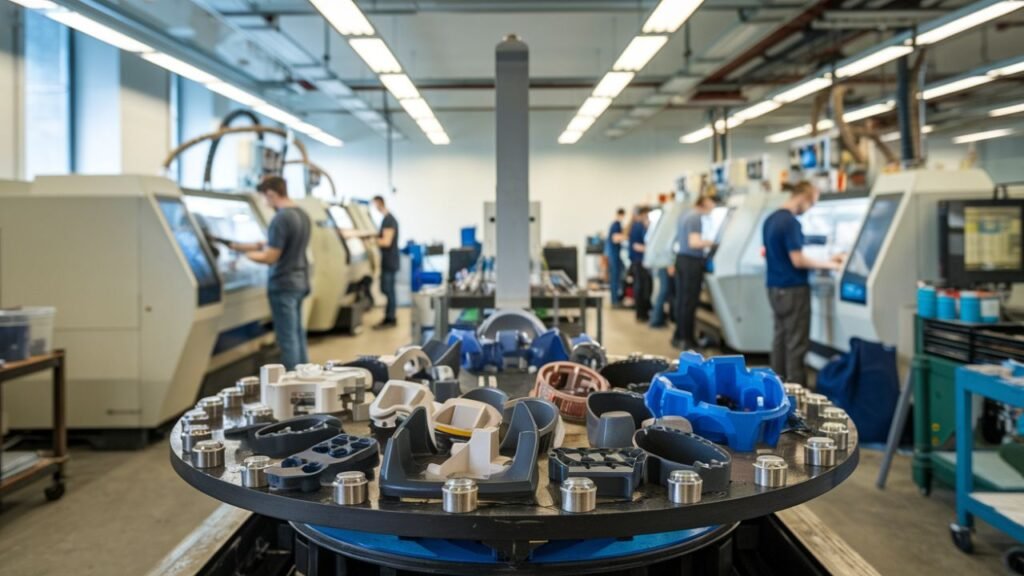
Forming processes expand the possibilities further. Vacuum forming pulls softened plastic sheet over a mold using suction, while thermoforming offers broader control over sheet thickness and mechanical forming forces. Rotational molding takes a different approach by rotating heated plastic powder inside a mold, creating large hollow items such as storage tanks, kayaks, and playground equipment with consistent wall thickness.
The appeal of plastic fabrication lies in its practical advantages. Plastic parts are often lighter than metal alternatives, which can improve energy efficiency in vehicles and aircraft. Many polymers also resist moisture, chemicals, and corrosion, making them suitable for harsh environments. In addition, fabrication cycles can be fast, helping teams move from design validation to market more quickly.
Design freedom is another major benefit. Because plastics can be molded, machined, welded, and formed, manufacturers can create intricate shapes that would be difficult or costly with other materials. This flexibility supports industries with very different needs, from automotive interiors and aerospace panels to medical devices, consumer packaging, electronics housings, and industrial fluid-handling systems.
Safe operation is just as important as choosing the right method. Workers should wear safety glasses, gloves, and hearing protection when necessary, while keeping the workspace clean and free of trip hazards. Heat-resistant gloves, proper machine cooldown periods, and careful chemical handling with ventilation and correct disposal are essential when working with hot equipment, solvents, or adhesives.
As materials and automation continue to improve, plastic fabrication will remain a key driver of manufacturing innovation. Its combination of affordability, lightweight performance, and customization gives companies a reliable way to build durable components that meet precise technical and commercial requirements.