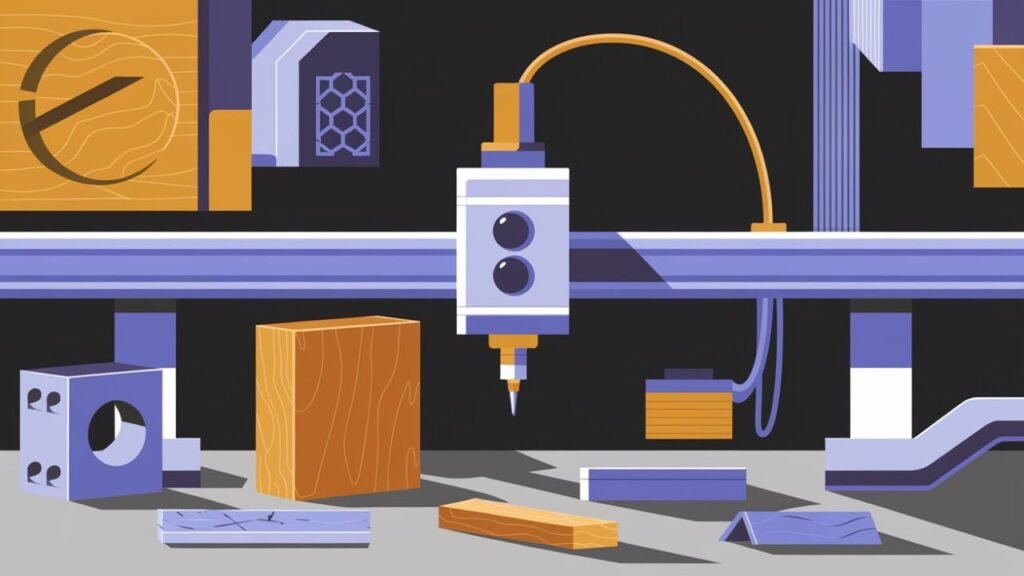
Aircraft and spacecraft operate in conditions that leave no room for failure. A turbine blade, fuel system fitting, landing gear component, or structural bracket must maintain performance under intense heat, vibration, pressure, and repeated stress. Because of this, aerospace manufacturers depend heavily on CNC machining: a computer-controlled production method that turns digital designs into repeatable, high-tolerance parts.
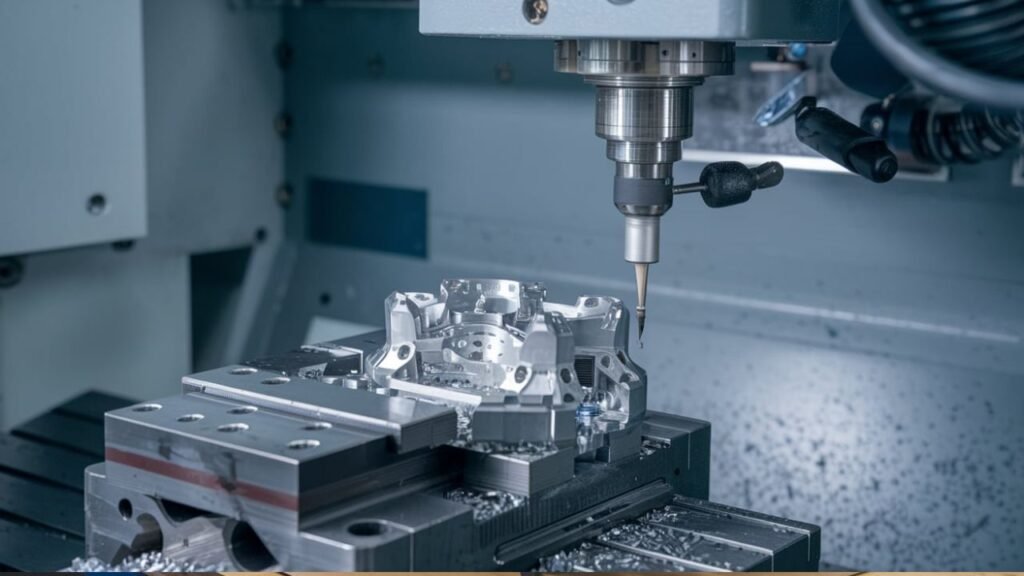
Unlike manual machining, where operator skill directly affects every cut, CNC machining follows programmed instructions from CAD and CAM software. This allows drilling, milling, turning, and finishing operations to be performed with consistent accuracy. For an industry where a deviation of a few microns can compromise safety, that level of control is essential.
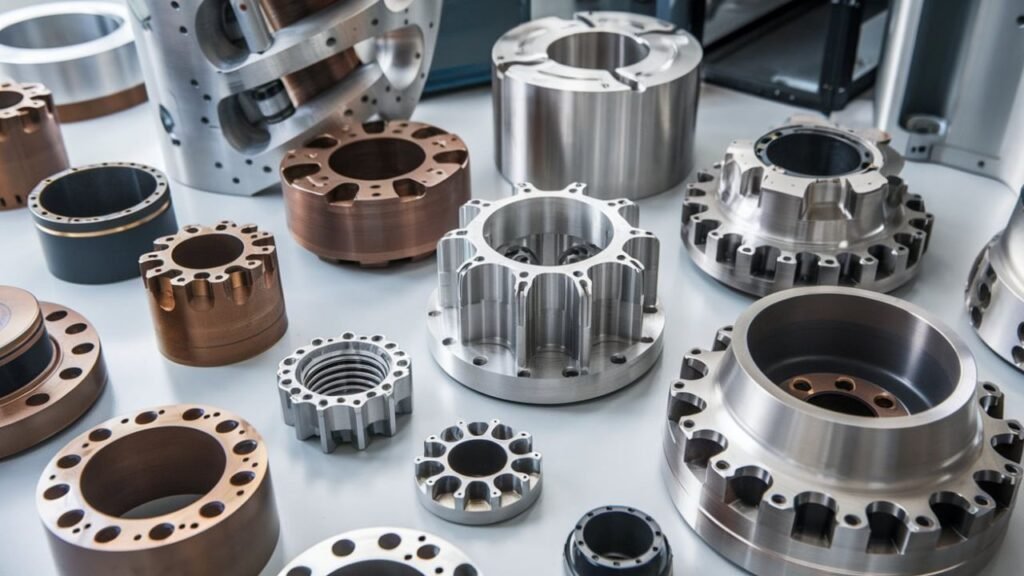
Aerospace components are also made from some of the most demanding engineering materials available. Titanium is valued for its strength-to-weight ratio and durability in high-stress areas, while aluminum remains popular for lighter structures. Nickel alloys such as Inconel resist extreme temperatures, and advanced composites are increasingly used to reduce weight. Each material brings machining challenges, including tool wear, heat buildup, and difficult chip control.
Precision in aerospace CNC machining comes from more than advanced machinery alone. It requires stable tooling, careful calibration, optimized cutting parameters, and inspection at multiple stages. Modern machines may use probes, sensors, and real-time monitoring to detect issues before they affect the finished part. Proper calibration is especially important because even a small setup error can multiply across a production run.
The process still faces obstacles. Thin-walled parts can deform, hard alloys can shorten tool life, and complex geometries may require multiple setups. Manufacturers address these problems with specialized fixtures, adaptive toolpaths, coolant strategies, and multi-axis equipment. While 3-axis machines are effective for simpler geometries, 5-axis CNC systems can reach difficult angles in a single setup, improving accuracy and reducing handling time.
Quality control is built into aerospace machining rather than added at the end. Common practices include first-article inspection, in-process measurement, coordinate measuring machine checks, surface finish verification, and full documentation. These steps help prove that every component meets design specifications and traceability requirements before it enters service.
CNC machining supports a wide range of aerospace applications, from turbine blades and engine components to fuselage fittings, brackets, housings, and fluid system pieces. It is equally important in space programs, where satellites, launch vehicles, and station hardware require machined parts that can survive launch loads, vacuum conditions, and wide temperature swings.
When standard components are not suitable, CNC machining can produce custom parts for specialized aircraft, spacecraft, or test equipment. This capability is especially valuable for prototypes, low-volume production, and mission-critical hardware where exact dimensions and material performance cannot be compromised.
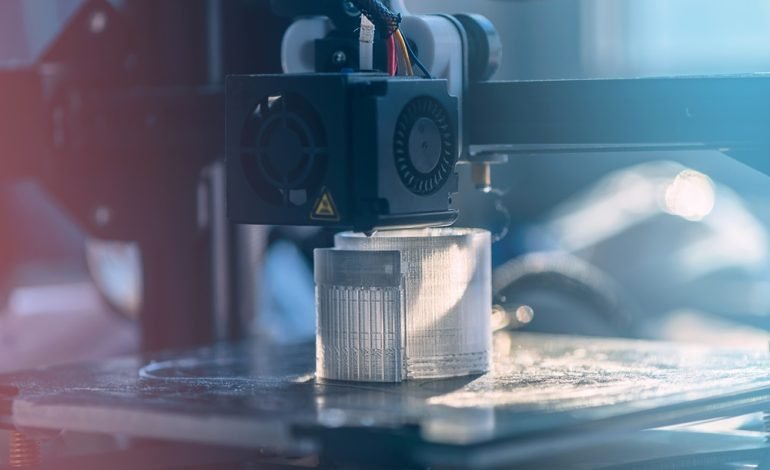
Looking ahead, the technology is becoming smarter and more flexible. AI-assisted process optimization, digital twins, hybrid manufacturing that combines machining with additive manufacturing, and more efficient CAM programming are helping manufacturers reduce lead times and improve performance. Modern CAD/CAM systems can also simulate cuts, detect collisions, and refine toolpaths before machining begins.
Sustainability is another growing priority. Better nesting, recycling of metal chips, optimized cutting strategies, and reduced scrap help aerospace manufacturers meet environmental goals while maintaining strict quality standards. Although CNC machining requires significant investment in equipment, programming, and quality systems, its long-term value is clear: fewer failures, greater consistency, and reliable performance throughout the life of an aircraft or spacecraft.
As aircraft and spacecraft become more advanced, precision machining will remain a foundation of aerospace innovation. It gives engineers the ability to design stronger, lighter, and more efficient systems while knowing that every machined part can perform when it matters most.