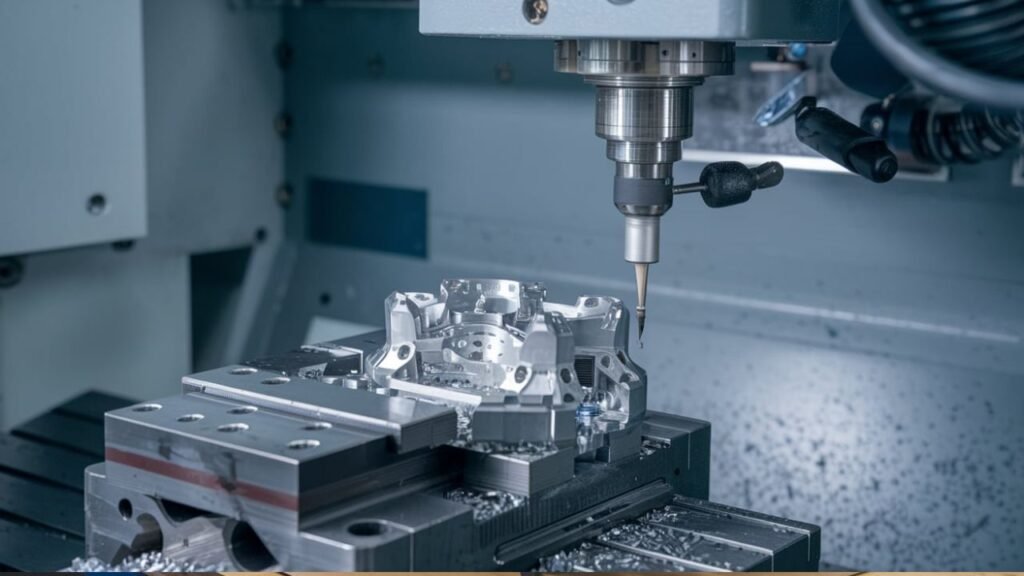
Choosing a metal for additive manufacturing can determine whether a part merely looks good or actually performs under load, heat, and repeated use. Unlike plastic printing, metal 3D printing creates functional components from materials such as stainless steel, titanium, aluminum, and nickel-based alloys. These materials are commonly processed through powder bed fusion, direct energy deposition, or binder jetting, where metal is fused layer by layer into a finished geometry. The result can be complex, high-performance parts that would be difficult or impossible to produce with conventional machining alone.
The first decision point is mechanical demand. If your component is decorative, a prototype, or a low-stress fitting, softer and more economical metals may be enough. Aluminum and bronze-style materials are often practical for lightweight models and non-critical parts. For structural components, machine hardware, or parts exposed to repeated stress, stainless steel and titanium offer far greater durability. Stainless steel is widely chosen for toughness, corrosion resistance, and long service life, while titanium adds an exceptional strength-to-weight ratio and strong resistance to wear and harsh environments.
Weight and thermal performance should be evaluated together. Aluminum is usually selected when reducing mass matters most, making it useful for drones, automotive assemblies, and aerospace-inspired designs. Titanium remains valuable when a part must stay relatively light but still survive demanding conditions. Nickel alloys are the preferred route for extreme heat, such as turbines, engine zones, and industrial systems that face high temperatures and pressure. Stainless steel can handle many ordinary operating temperatures, but it is not always the best answer for sustained thermal exposure.
Surface quality also influences material selection. Some printed metals require extensive cleaning, machining, polishing, or heat treatment before they are ready for use. Stainless steel and titanium can support smoother, more refined finishes when precision or corrosion resistance matters. Aluminum and nickel alloys may be acceptable when a slightly rougher texture is not a problem. A better finish is not only about appearance; it can improve cleanliness, aerodynamic behavior, mating tolerances, and long-term resistance to environmental damage.
Budget and production method are equally important. Titanium is typically expensive, aluminum is generally more accessible, and stainless steel often sits in the middle as a balanced option. The right choice depends on whether the part is experimental, cosmetic, or mission-critical. Designers should also confirm that the selected metal is compatible with their printing process, since not every alloy works equally well with every additive manufacturing system. Finally, consider post-processing requirements early, because finishing steps can add time, cost, and complexity to the project.