Manufacturers often face a double challenge: designs grow more intricate while tolerances keep shrinking. Producing hundreds or thousands of identical components without variation can feel risky. CNC machining solutions were created to remove much of that risk, turning complex fabrication into a controlled, repeatable process.
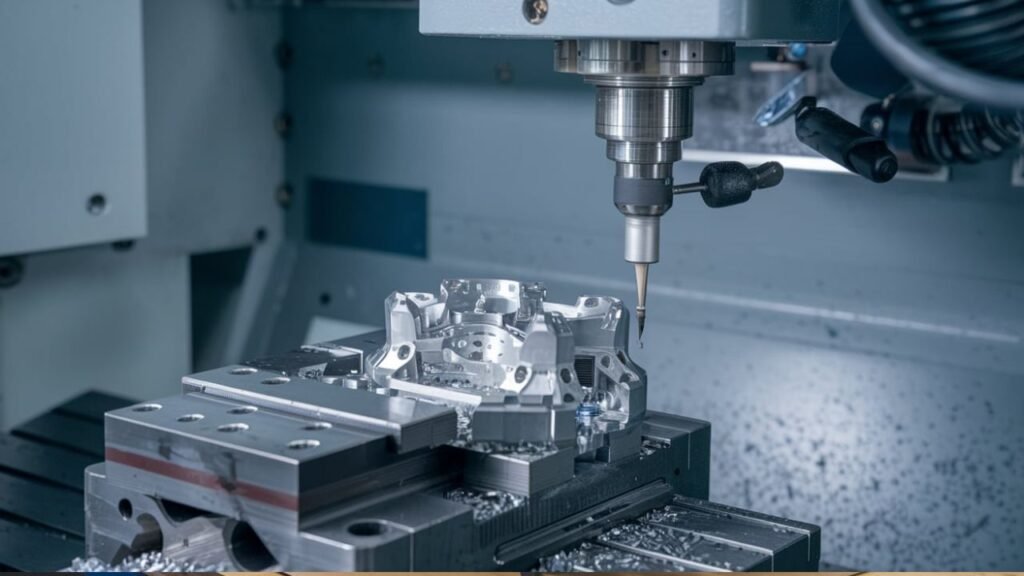
CNC stands for Computer Numerical Control. Instead of an operator manually turning handwheels, a computer program directs machine tools such as mills, lathes, routers, and grinders. The program, usually written in G-code with M-code handling auxiliary functions, tells the equipment where to move, how fast to travel, and how deep to cut. This software-driven approach allows manufacturers to shape metals, plastics, wood, and other materials with remarkable precision.
Even with high automation, people remain essential. Skilled programmers and operators prepare the setup, create or refine code, select tooling, and monitor production. Their expertise ensures that each run matches specifications and that problems are caught before they become costly.
CNC did not appear overnight. Early automated metalworking used mechanical controllers in place of hand cranks. Later, computerized controls and microprocessors allowed digital instructions to guide cutting and drilling. As factories recognized the benefits, CNC machining solutions spread quickly. Automated equipment could deliver consistent output at scale, opening doors to cost savings, broader product lines, and stronger competitive positions.
Modern manufacturers need tight tolerances, unusual geometries, and short lead times. Manual methods can struggle with these demands, especially when volumes rise. CNC machining solutions address them through repeatability, fast cycle times, complex contouring, and scalable production. Once a program is proven, the same digital instructions can be reused across many parts, reducing variation and human error. Compared with manual methods, CNC generally wins on accuracy, repeatability, and throughput, while manual work may still suit one-offs or simple repairs.
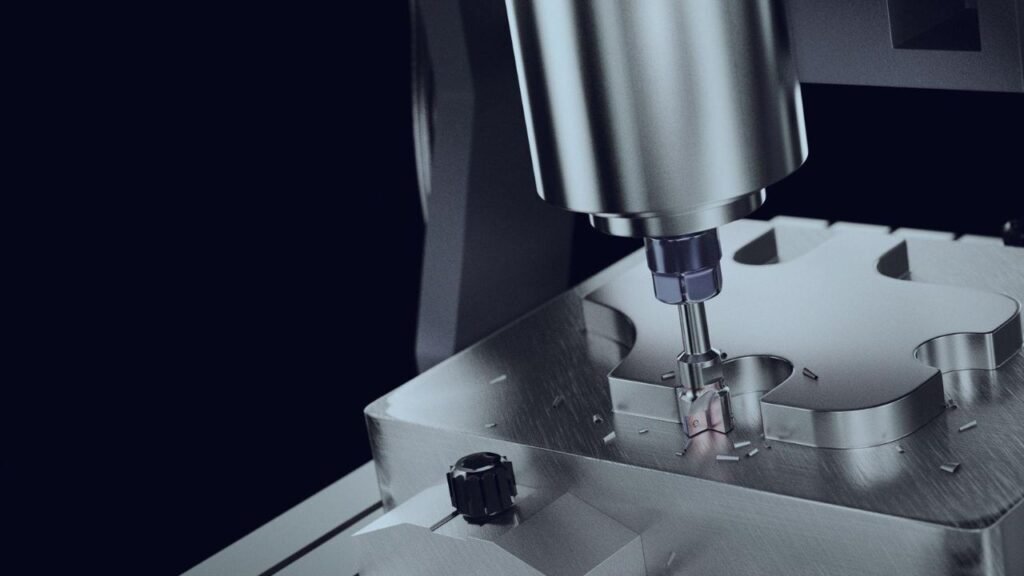
Because of this flexibility, CNC machining is common in aerospace, automotive, medical, electronics, and many other sectors. Whenever a part must be accurate, durable, and repeatable, CNC processes are often part of the answer. Aircraft components, custom automotive parts, surgical instruments, and electronic housings are just a few examples.
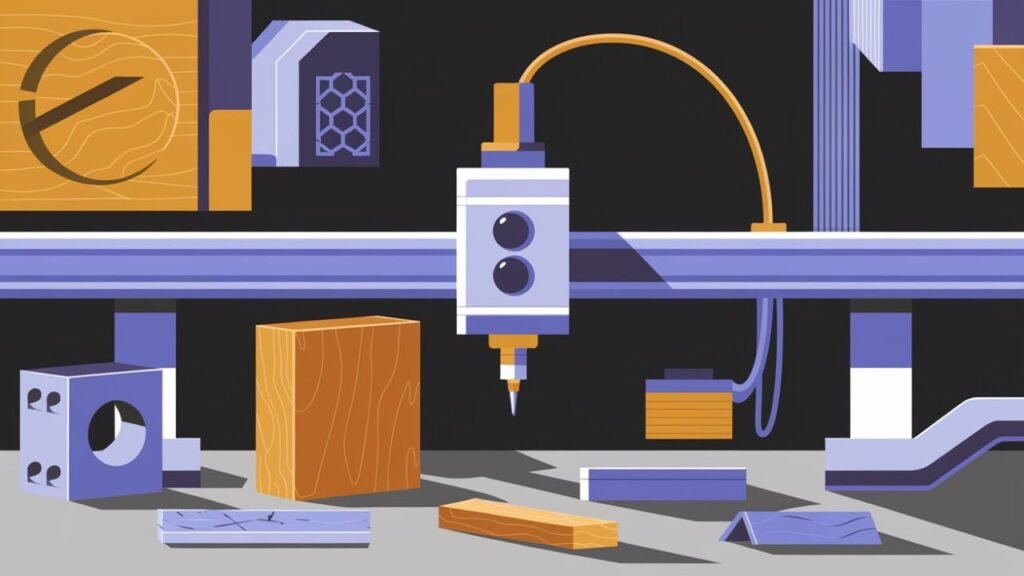
Several machine types cover different jobs. Milling machines use rotating cutters to remove material from a stationary workpiece; multi-axis spindles can create sophisticated shapes. Lathes rotate the workpiece while a tool removes material, making cylindrical or conical parts such as shafts and pulleys. Routers are popular for wood, plastics, acrylic, and some metals, and they excel at signage and cabinetry. Grinders use abrasive wheels to refine dimensions and surface finish, especially when smoothness or edge quality matters.
Programming is the language of CNC. G-code defines movement and cutting depth, while M-code controls functions like coolant and spindle direction. Writing raw code by hand is slow and error-prone, so many shops use Computer-Aided Manufacturing (CAM) software. CAM converts 3D CAD models into machine-ready instructions, simplifying setup, shortening the learning curve, and supporting smoother production cycles.
Material choice is another strength. CNC machining solutions can process aluminum, steel, brass, titanium, engineering plastics, wood, acrylic, and other materials. This range supports lightweight prototypes, durable industrial components, and specialized parts for demanding environments.
Quality control runs throughout CNC production. Shops monitor tools and processes, measure critical dimensions, and inspect parts at key stages. In-process checks and final verification help prevent defects, avoid rework, and protect customer trust. For medical, aerospace, and automotive work, this discipline is not optional; it is central to meeting strict standards.
Automation continues to advance. Software-driven improvements are expanding what CNC can achieve, with trends such as AI-assisted toolpaths and closer integration with 3D printing. The hardware may look familiar, but the intelligence behind it keeps growing.
Many parts also require finishing after machining. Surface treatments improve appearance, resist corrosion, and can enhance friction or sliding performance. Common options include anodizing, plating, polishing, bead blasting, and powder coating. The right finish can extend service life and improve how a component performs in its final application.
Choosing a provider matters. Look for proven experience, suitable machine capacity, quality certifications, clear communication, and transparent lead times. A strong partner will not only run CNC machining solutions but also help refine designs, reduce unnecessary costs, and keep production moving.
From simple mechanical controls to today's automated systems, CNC machining has reshaped manufacturing. It handles complex shapes, strict tolerances, and large runs with far less fuss. Across aerospace, automotive, medical, and other industries, CNC machining solutions help companies meet high standards without excessive labor or delay. As technology evolves, even more capable systems will emerge. For reliable, exact components again and again, CNC remains a dependable choice.
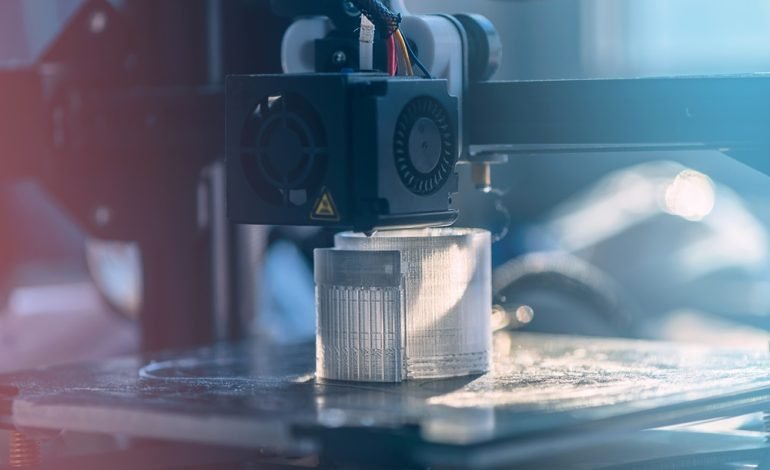
How does CNC machining compare with 3D printing? CNC is subtractive: it removes material. 3D printing is additive: it builds material layer by layer. CNC generally offers tighter tolerances and broader industrial material options, while 3D printing is often better for rapid prototypes or highly complex internal features.
Do I need special software skills? Basic CAD/CAM knowledge helps, but many providers handle programming. If you plan to operate machines yourself, learning G-code and CAM software is valuable.
Which industries rely most on CNC? Aerospace, automotive, medical, and electronics are major users. Any field that needs consistent, accurate parts in volume can benefit from CNC machining solutions.
Can CNC machines handle wood or acrylic? Yes. CNC routers are especially suited to softer materials. With correct tools and cutting speeds, wood, acrylic, and many plastics can be machined effectively.