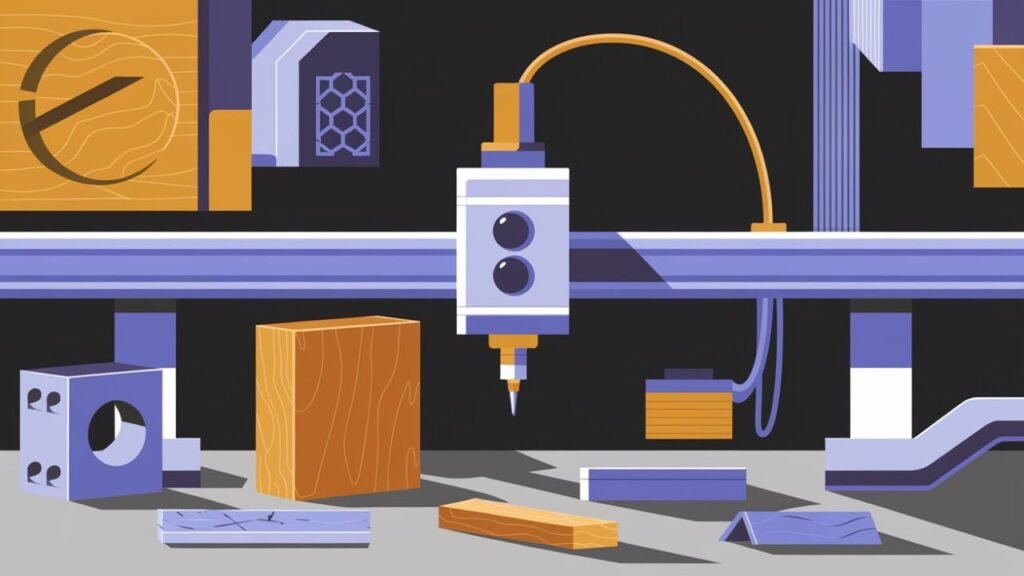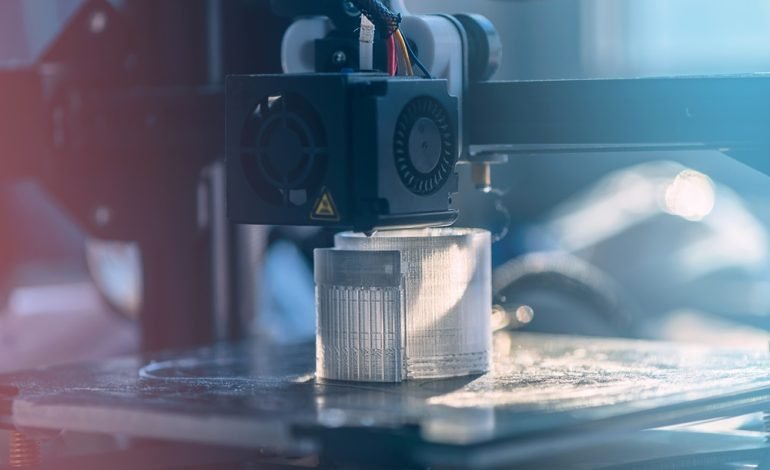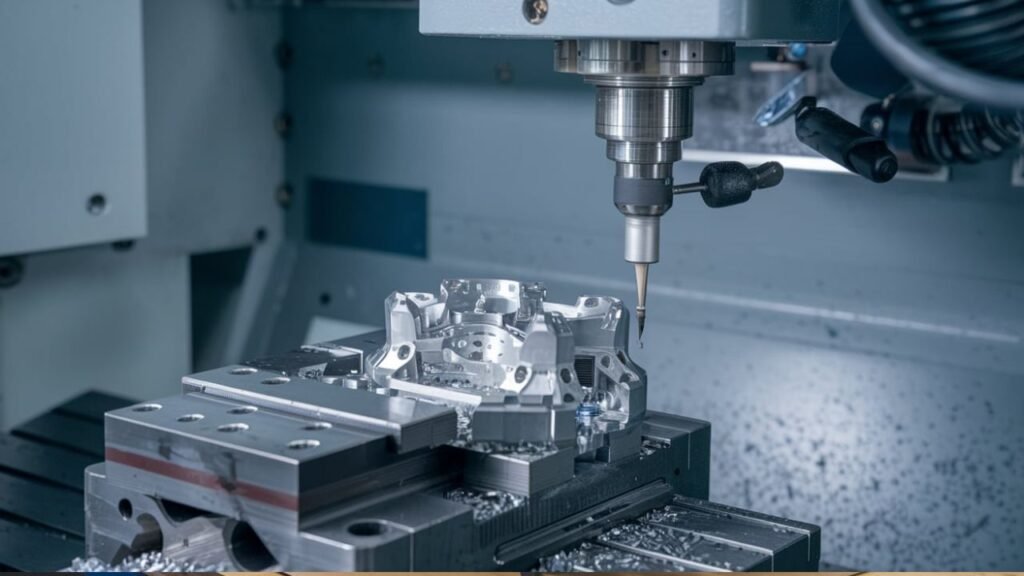
Manufacturing’s journey through advanced milling has always been driven by relentless innovation. What began as a hands-on craft, relying heavily on the intuition and tactile feedback of skilled machinists, has transformed into an automated discipline governed by computer numerical control (CNC) systems. This shift hasn’t just improved output; it has ignited a lasting conversation about what we gain—and what we risk losing—when technology takes the wheel.
Early milling was fundamentally a dialogue between operator and machine. Precision depended on years of muscle memory, real-time adjustments, and a deep understanding of material behavior. Then came industrialization, followed by digital programming. CNC technology introduced unprecedented speed, repeatability, and the ability to execute multi-axis geometries that were previously unthinkable. Industries like aerospace and medical devices now demand these capabilities, as even microscopic deviations can compromise safety and performance.
Yet, this leap forward carries philosophical and practical weight. As machines handle increasingly complex tasks, traditional machinists often find themselves transitioning from artisans to technicians. Critics argue that automating the process strips manufacturing of its creative nuance, reducing skilled workers to mere program monitors. Others counter that freeing humans from repetitive grinding and measuring allows them to focus on higher-level engineering, quality assurance, and problem-solving. The reality likely lies somewhere in between.
The pursuit of micron-level tolerance also introduces new challenges. While CNC systems eliminate much of the variability inherent in manual work, they introduce a different set of vulnerabilities. Programming mistakes can cascade into costly scrap or equipment damage, highlighting that automation still requires vigilant human oversight. Furthermore, the rigid nature of coded instructions means CNC setups struggle with rapid prototyping or last-minute design tweaks where a seasoned hand could adapt on the fly.
To bridge this gap, many shops are adopting hybrid workflows. By delegating heavy material removal and repetitive cuts to CNC routers while reserving delicate finishing, deburring, or complex contour adjustments for manual techniques, manufacturers preserve flexibility without sacrificing throughput. This blended approach acknowledges that machines excel at consistency, but human intuition remains unmatched when navigating unpredictable variables or adding that final layer of polish.
Ultimately, the narrative of milling isn’t a zero-sum game between tradition and progress. The industry’s next chapter won’t be defined by choosing one over the other, but by integrating them strategically. As computational power continues to advance, the most successful operations will be those that leverage algorithmic precision while safeguarding the adaptive expertise of their workforce. True manufacturing excellence emerges not from replacing the craftsman, but from empowering them with smarter tools.