Choosing the ideal aluminum alloy for an enclosure isn’t about picking the strongest metal available; it’s about matching the grade to the production method. In most CNC machined housings, 6061-T6 is the go-to material. For extruded shapes, 6063 becomes the better option. And for folded sheet-metal builds, 5052 is the standard choice.
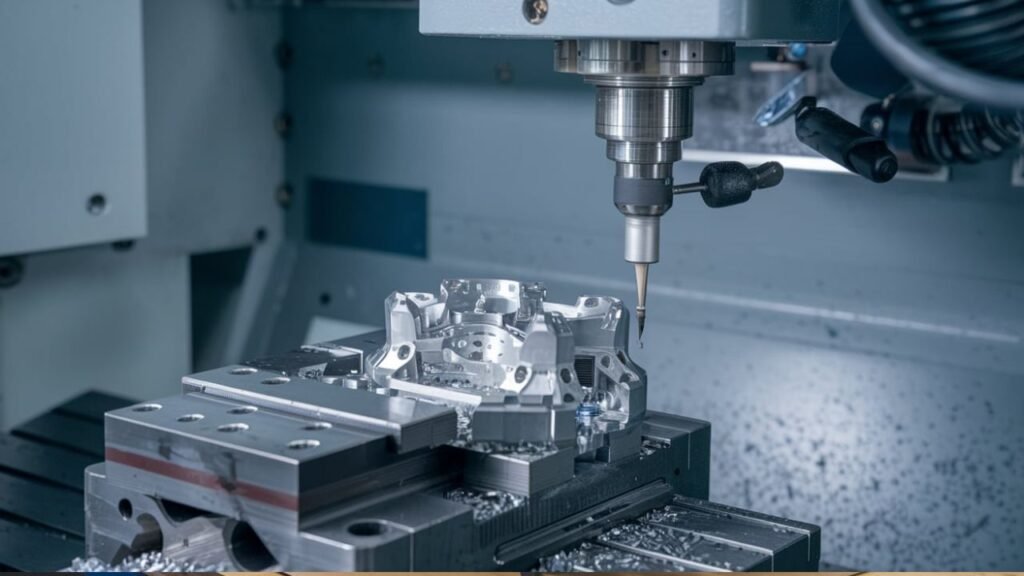
6061-T6 offers a balanced combination of yield strength, machinability, availability, and anodizing behavior. It is stocked in virtually every plate thickness, holds tight tolerances with crisp machining, and produces a consistent anodized finish. With a yield strength of around 276 MPa, it provides the rigidity needed for drop-resistant boxes and stable platforms for electronics or sealed instrument housings. When a design calls for a machined gasket groove, threaded mounting bosses, and precise pocketing, 6061 delivers the clean details at a practical cost.
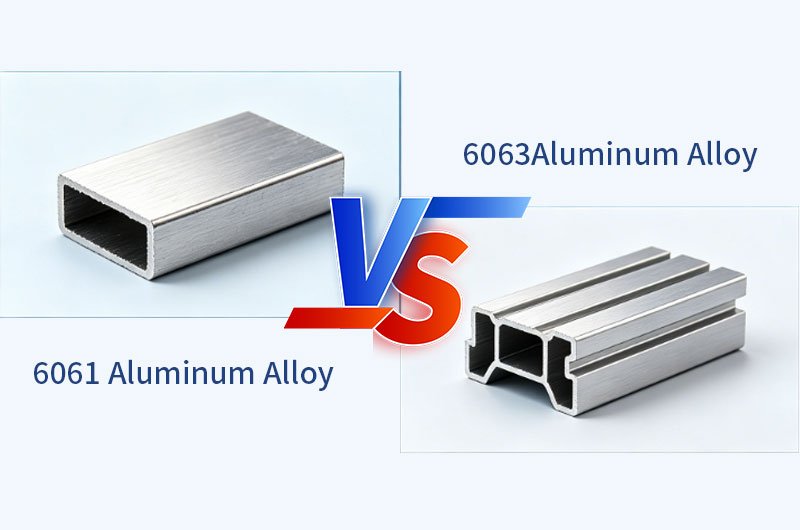
For enclosures built from extruded profiles, 6063 is the preferred grade. Its ability to flow through complex die shapes makes it ideal for parts with constant cross-sections, internal card guides, or PCB slots. It also anodizes to a brighter, more uniform finish, which matters for consumer-facing products where appearance is part of the brand experience. The trade-off is about 30% lower yield strength compared with 6061, so it’s best suited to designs that prioritize profile complexity and cosmetics over maximum structural load.
When an enclosure is made from bent sheet metal, 5052 takes over. This non-heat-treatable alloy offers excellent formability and corrosion resistance, bending to tight radii without cracking—something 6061 cannot do reliably. Instead of being milled from a solid block, 5052 enclosures are typically laser-cut, formed, and welded into chassis, brackets, and folded boxes. It is less appropriate for machining operations, so choose it only when sheet-metal fabrication drives the design.
Mixed construction is also common. A machined 6061 front panel paired with a 5052 sheet-metal chassis can balance precision, strength, and manufacturability. The best results often come from selecting the grade part by part rather than applying one alloy to an entire project.
Beyond alloy selection, enclosure design requires attention to wall thickness and finishing. Machined aluminum housings typically use 1.5 to 3 mm walls, balancing stiffness with machining time. Thinner walls save weight but risk vibration and distortion, and reduce thread engagement for mounting bosses. For EMI shielding, seams need bare metal-to-metal contact, so any grounding surfaces should be identified before anodizing. Anodizing remains the standard finish because it protects the aluminum and provides color with minimal dimensional change, as long as holes and grounding pads are masked or accounted for in advance.
Some weight-critical projects consider 7075, but for enclosures its higher strength rarely justifies the added cost, machining difficulty, and unpredictable cosmetic finish. 6061 remains the practical sweet spot for production-ready housings. At XC Machining, enclosure work is a daily focus; a DFM review evaluates wall thickness, boss depth, and finish callouts within about 12 hours, helping ensure the design is optimized before cutting begins.