In a fast-moving factory, even one slow machine can create a chain reaction of delays. Orders pile up, operators feel the pressure, and customers begin asking for updates. Upgrading to a VMC machine—short for Vertical Machining Center—can help manufacturers regain control by producing parts faster, more consistently, and with a higher level of accuracy.
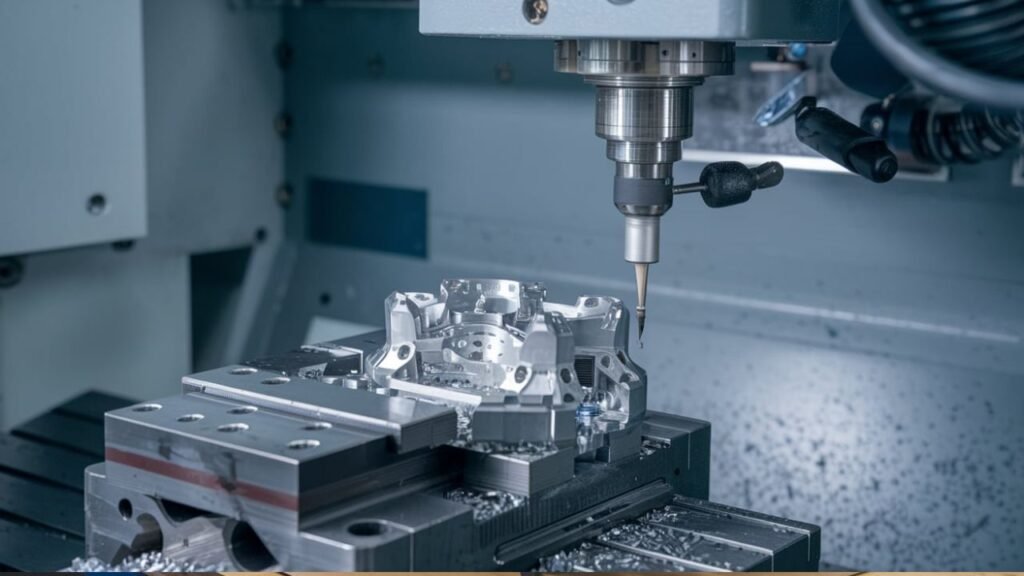
A VMC machine is a CNC machining system built for operations such as milling, drilling, cutting, and tapping. Its spindle is positioned vertically, allowing the tool to approach the workpiece from above with controlled precision. Because these machines use automated controls, they can shape metals, plastics, and composite materials with repeatable accuracy, making them valuable in industries where consistency matters.
One of the biggest advantages of VMC technology is the way it combines automation with precision. Traditional manual machining often depends heavily on operator skill and repeated adjustments, which can slow production and increase the chance of mistakes. A VMC reduces that uncertainty by following programmed instructions and completing multiple machining steps with minimal intervention.
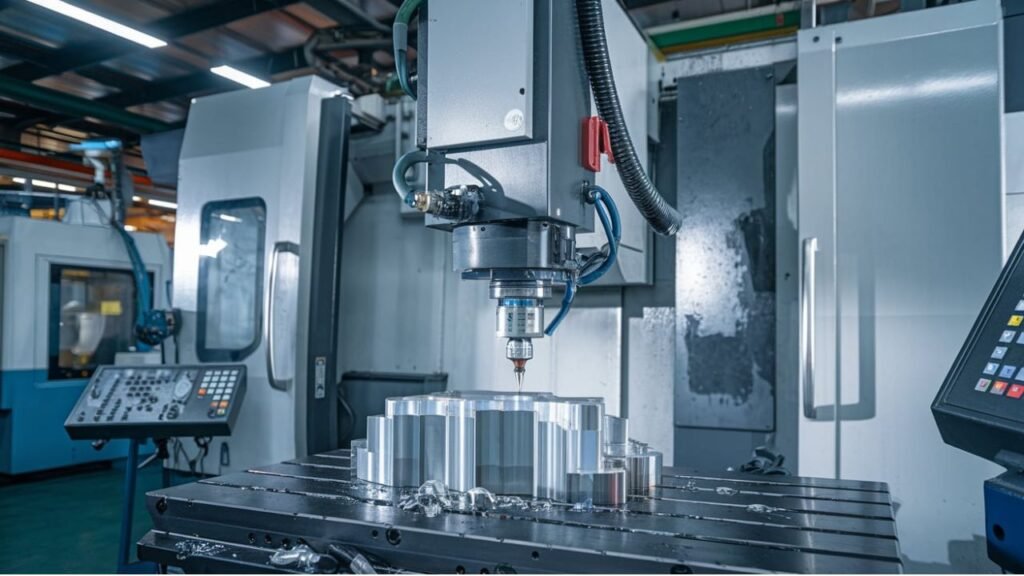
Modern VMC systems can mill, drill, and tap within the same workflow while maintaining tight tolerances. This shortens setup time, lowers the risk of human error, and helps production teams complete more parts in less time. For manufacturers, that means quicker order fulfillment, smoother operations, and stronger customer confidence.
Precision also has a direct effect on cost control. When components are machined accurately from the start, there is less scrap, less rework, and less wasted material. Whether a shop is producing small detailed parts or larger industrial components, consistent accuracy helps protect both quality and profit margins.
Not every VMC machine is designed for the same application. Some facilities use standard 3-axis machines for straightforward parts, while others rely on more advanced 4-axis or 5-axis systems for complex geometries. Choosing the right configuration depends on part size, material, tolerance requirements, and production volume.
Automation is another reason VMC equipment improves throughput. Instead of stopping frequently for manual corrections, the machine’s control system can manage cutting paths, speeds, and adjustments based on the job requirements. This keeps the production process moving and reduces unnecessary downtime between tasks.
Integrating a VMC into an existing production line is often easier than many buyers expect. Modern machines are designed to fit into automated environments, and they can also replace older manual equipment without creating major workflow disruptions. Proper operator training is still essential, however, because skilled staff help maximize speed, tool life, and part quality.
VMC machines are also highly flexible. Programmable tool paths allow manufacturers to switch between designs, handle custom orders, and adjust specifications without lengthy reconfiguration. This flexibility is especially useful for prototype work, small batches, and industries where design changes happen frequently.
Material efficiency is another important benefit. Because VMC machining can produce parts closer to their final shape, less raw material is removed unnecessarily. In advanced applications, fine-detail CNC machining can also create complex features that would be difficult or inefficient to achieve with manual methods.
To maintain strong performance, VMC machines need regular care. Routine checks of the cooling system, lubrication of moving parts, and cleaning of the work area can prevent unexpected breakdowns. A consistent maintenance schedule helps protect machine accuracy and extends equipment life.
Safety is another area where VMC technology supports modern manufacturing. Many machines include protective enclosures, emergency stops, and monitoring sensors that help reduce operator risk. These features create a safer shop floor while also supporting stable, uninterrupted production.
The automotive industry has benefited greatly from VMC machining, using it for engine components, body parts, prototypes, and low-volume production runs. Aerospace manufacturing also depends on this technology for parts that must meet strict strength, weight, and tolerance standards, such as turbine components and structural pieces.
As manufacturing moves toward Industry 4.0, VMC machines are becoming more connected and data-driven. Real-time monitoring, predictive maintenance, and performance tracking help operators make smarter decisions and reduce unexpected interruptions. With continued advances in automation and software control, VMC technology is likely to become even more efficient and capable.
For manufacturers looking to improve output, reduce waste, and deliver higher-quality parts, investing in a VMC machine can be a smart long-term move. It is not just an equipment upgrade—it is a step toward a faster, more reliable, and more competitive production process.