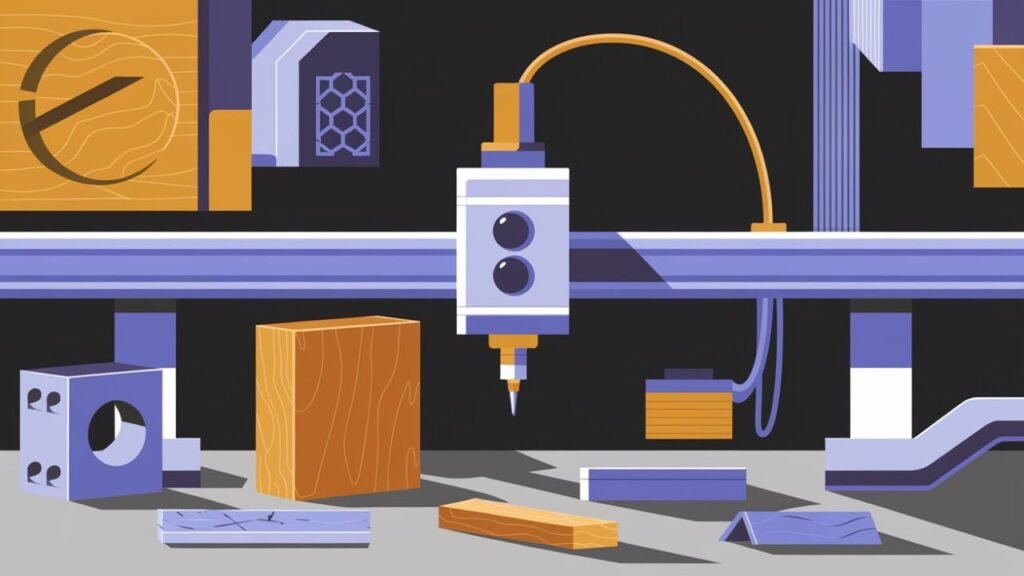
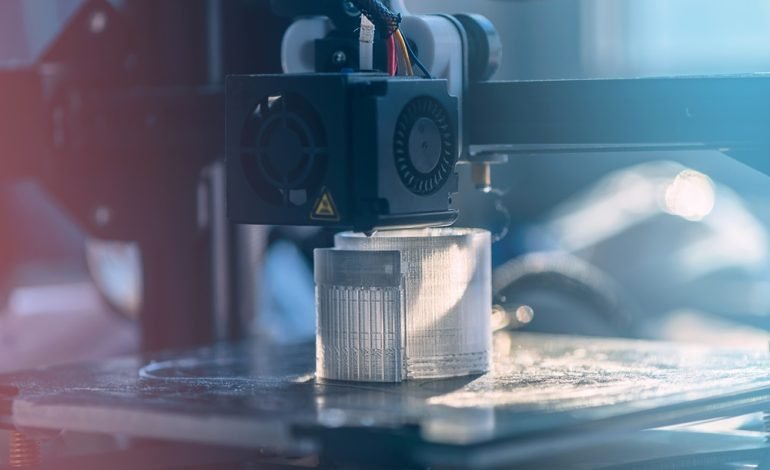
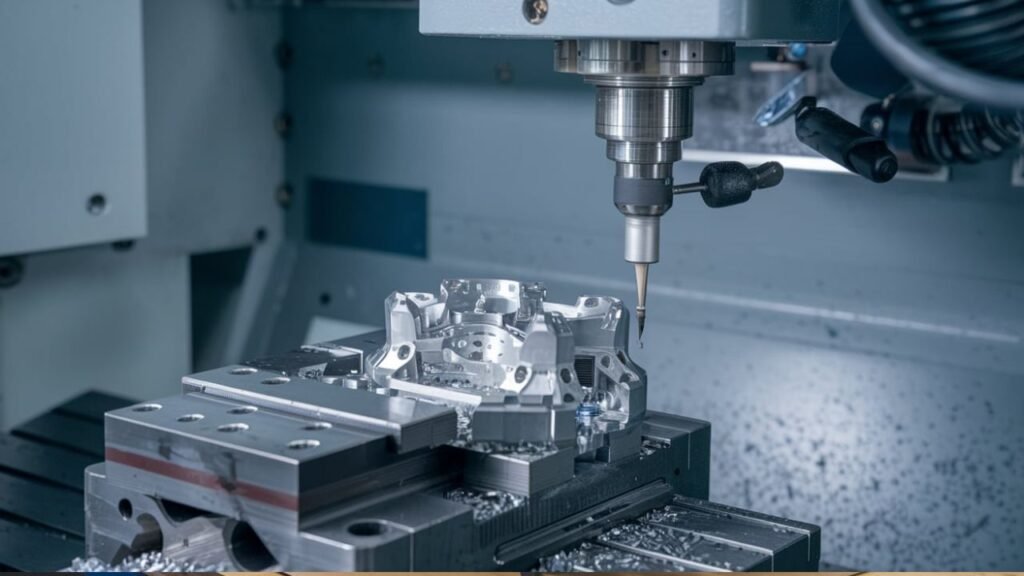
Factories and workshops are under constant pressure to produce parts that are both accurate and fast. Conventional cutting methods can slow production, create rough edges, and increase labor costs. Laser cutting technology addresses these challenges by using a highly focused beam to remove material with minimal contact. The result is a process that can cut, engrave, or mark components with a level of detail that is difficult to achieve by hand or with older mechanical tools.
At its core, laser cutting works by directing a controlled beam onto a workpiece. Depending on the material and settings, the beam melts, burns, or vaporizes a narrow path, while assist gases may help clear the cut. Computer-controlled motion systems guide the beam along the programmed shape, which allows manufacturers to repeat complex outlines with consistent accuracy.
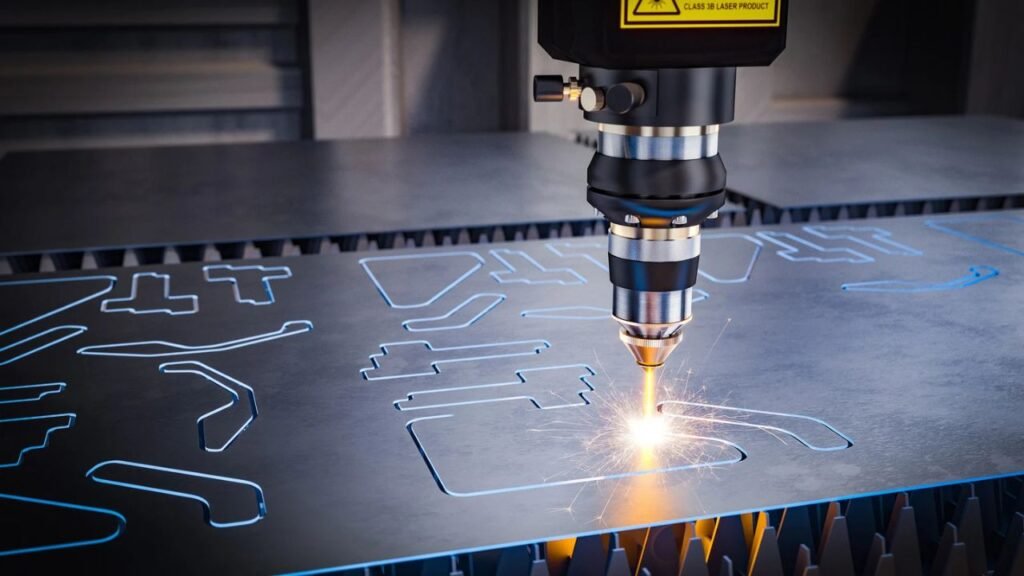
This combination of precision, speed, and flexibility is why laser cutting has become a standard option in modern production. It can handle intricate patterns, fine edges, and tight tolerances without the wear associated with physical tooling. It also reduces setup time because designs can be changed digitally rather than by replacing blades, dies, or fixtures.
Not every laser system is built for the same job. Fiber lasers are especially effective for metals, while CO2 lasers are often preferred for non-metal materials such as wood, acrylic, leather, and some plastics. Diode and other systems may serve lighter engraving or marking tasks. Selecting the right source depends on material type, thickness, production volume, and the level of finish required.
Compared with mechanical cutting or waterjet cutting, laser cutting often offers a stronger balance of speed, accuracy, and maintenance simplicity. It can process thin to medium thickness materials quickly and with less mechanical stress. Waterjet may be useful for very thick or heat-sensitive materials, but laser cutting usually provides cleaner edges and faster throughput for many fabrication applications.
The value of laser cutting extends beyond a single machine. When integrated into a workflow, it can shorten production cycles, reduce scrap, and lower labor intensity. It supports short runs and high-volume jobs alike, making it useful in aerospace, automotive, electronics, medical devices, architecture, signage, and consumer product manufacturing. Industries that require repeatable quality and fast turnaround often see the clearest gains.
Laser cutting also opens up new design possibilities. Complex perforations, curved profiles, and detailed brand markings can be produced without adding significant labor. This flexibility helps manufacturers offer custom products, reduce part counts, and create lighter or more efficient component designs. The ability to work across metals, plastics, wood, glass, and ceramics makes the technology useful across multiple supply chains.
Cost is an important consideration, but the long-term economics can be favorable. Although the initial investment in a laser system can be significant, the reduction in material waste, tooling costs, and processing time can improve profitability over time. When choosing a machine, businesses should evaluate power, bed size, material compatibility, software, safety features, and the support available from the supplier. Regular maintenance of optics, lenses, nozzles, and motion components helps protect that investment and keeps output consistent.
For small businesses, laser cutting can support custom work, prototyping, and niche product lines. For larger manufacturers, it can help standardize quality, increase throughput, and reduce cost per part. As systems continue to improve in speed, energy efficiency, and automation, laser cutting is likely to remain a key technology for companies that want to stay competitive in fast-moving manufacturing environments.
Common questions usually focus on what the technology can do, how it works, which materials it can process, and what it costs. In practical terms, laser cutting is best understood as a precision manufacturing tool: it is not simply a faster saw, but a controlled material-removal process that can improve quality, reduce waste, and support more responsive production.