When a CNC shop is juggling tight deadlines and rising demand, every second spent on idle movement, rework, or tool changes becomes expensive. Optimizing CNC machining is not about pushing machines harder; it is about making the entire operation smarter, smoother, and more repeatable. The goal is to shorten cycle times, increase good parts per hour, and protect part quality while doing it.
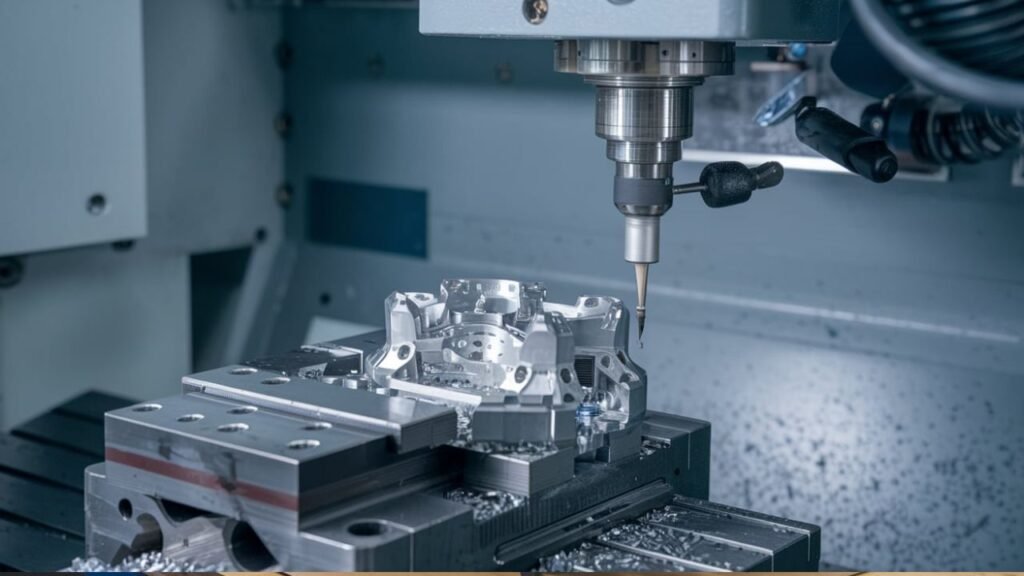
At its core, CNC machining uses computer-controlled equipment to execute cutting, drilling, milling, and other operations with high precision. Because the machine follows programmed instructions, small improvements in software, tooling, and workflow can produce measurable gains across an entire production line. Modern CNC systems also benefit from integrated design tools, energy-efficient components, and reduced material waste, making them well suited to high-precision industries.
A strong optimization strategy starts with the right cutting tools. If a tool is poorly matched to the material or operation, it can cut slowly, wear unevenly, and force frequent changes. Selecting tools that align with the workpiece material, finish requirements, and cutting strategy helps machinists maintain consistent feed rates and reduces the chance of tool failure. In practice, this means reviewing tool geometry, coating, insert type, and recommended speeds before a job begins rather than reacting after the first poor cut.
Toolpath design is another major lever. The toolpath determines how the machine moves through the material, and even a few inefficient passes can add minutes to a job. A well-built path reduces air cutting, avoids unnecessary repositioning, and keeps the tool engaged in productive material removal wherever possible. By refining entry and exit angles, ramping strategies, and finishing passes, operators can make the machine work more efficiently without overloading the tool or compromising surface finish.
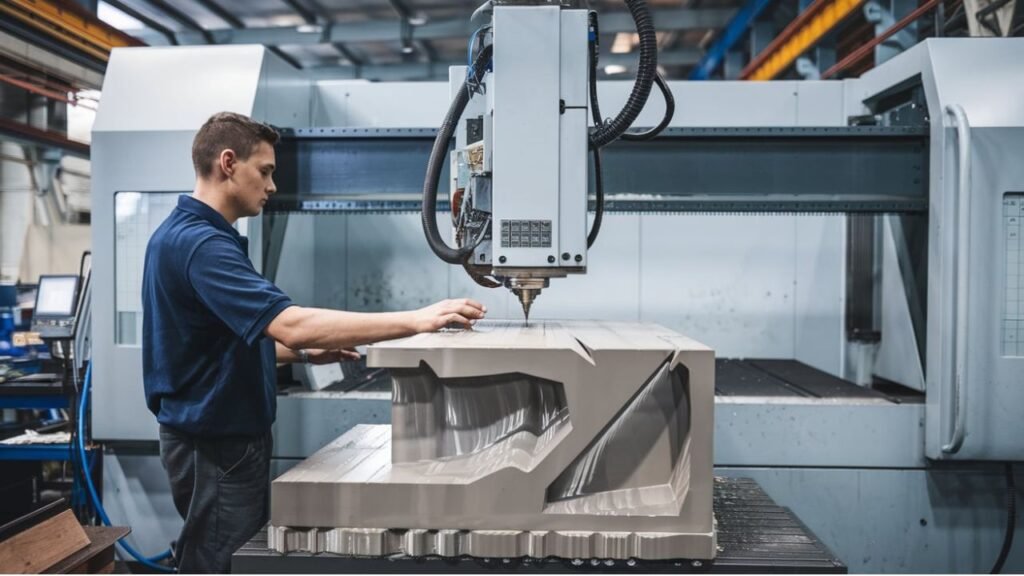
Maintenance is the foundation that allows all other improvements to stick. A CNC machine that is out of alignment, missing lubrication, or suffering from worn spindles will not perform to its rated capability. Scheduled checks of rails, spindles, way covers, coolant lines, and control systems help keep tolerances stable and prevent small issues from becoming costly breakdowns. When maintenance is treated as part of the production plan rather than an afterthought, downtime drops and output becomes more predictable.
Cutting speed must also be balanced carefully. Faster speeds can reduce cycle time, but only when the machine, tool, and workpiece can handle them safely. Machinists should evaluate spindle capacity, tool rigidity, material hardness, and required finish before increasing feeds or speeds. The best results usually come from finding the highest stable speed that still produces acceptable quality, not from running at maximum capability on every part.
Coolant deserves equal attention. It controls heat, flushes chips, reduces friction, and protects both the tool and the workpiece. The wrong coolant concentration, dirty fluid, or inadequate delivery can lead to thermal growth, poor finish, and premature tool wear. Using clean, properly mixed coolant and checking it regularly allows machines to run faster and longer while maintaining dimensional stability.
Automation can transform a CNC shop when the right tasks are identified. Part loading, unloading, pallet changing, and in-process inspection can all be automated to keep the machine cutting while operators handle higher-value responsibilities. Even partial automation, such as a robot for a repetitive job, can reduce idle time and improve consistency. The payoff is not only speed but also fewer human errors and more reliable part-to-part repeatability.
Workpiece setup is often underestimated because it happens before the first cut. A poorly planned setup can waste time during clamping, probing, and verification, while a well-designed fixture and clear setup procedure get the part into production quickly and accurately. Standardizing fixtures, using repeatable datum references, and preparing setup sheets can help machinists spend more time cutting and less time figuring out how to hold the part.
Lean manufacturing principles fit naturally into CNC operations. Waste in machining can take many forms: excess inventory, unnecessary movement, waiting for tooling, overprocessing, and defective parts. By streamlining workflows, reducing batch sizes where possible, and keeping materials and tools organized, a shop can improve throughput without adding new equipment. The focus is on making every step add value.
Real-time monitoring gives operators and managers visibility into what is actually happening on the floor. Sensors can track temperature, vibration, pressure, tool load, and other key parameters, helping teams detect abnormalities before they cause scrap or failure. This data also supports better scheduling, maintenance planning, and process refinement. When decisions are based on live machine data rather than guesswork, productivity improvements become easier to measure and sustain.
Operator skill remains one of the most important variables. Well-trained machinists understand not only how to run a program but also how to interpret tool behavior, recognize early warning signs, and make sound adjustments. Training should cover safe operation, setup best practices, tooling basics, quality checks, and problem-solving. A team that understands the why behind each step is more likely to protect quality and maintain speed under pressure.
Simulation should be part of the standard workflow before new jobs go to the machine. Virtual machining allows engineers and operators to check for collisions, review toolpath efficiency, estimate cycle times, and refine strategies before any material is cut. This reduces trial-and-error on the floor and gives the shop a clearer picture of what to expect. For complex parts, simulation can be the difference between a smooth first run and a costly delay.
Software updates matter more than many operators realize. CNC controls and CAM systems are continuously improved with fixes, new features, and performance enhancements. Keeping software current can unlock better post-processing, improved machine communication, and more reliable operation. While updates should be tested before full deployment, ignoring them can leave a shop running with known issues or missing efficiency gains.
Multi-axis machining is another powerful option for shops handling complex geometry. By completing multiple operations in a single setup, multi-axis machines reduce repositioning errors, tool changes, and total cycle time. They are especially valuable when parts require precise features on several faces. The investment can pay off through higher precision, less handling, and greater flexibility in production planning.
Machine monitoring systems extend the value of real-time data by tracking cycle times, tool usage, machine health, and overall equipment effectiveness. These systems help identify bottlenecks, compare performance across shifts, and support continuous improvement. When managers can see which machines are underperforming and why, they can target improvements where they will have the biggest impact.
Versatile cutting tools can also reduce cycle time by handling more than one operation. When a tool can perform several passes or work across a range of conditions, the machine spends less time changing tools and more time producing. The right versatile tooling should still be matched to the material and process, but it can simplify setups and improve flow, especially in mixed-production environments.
The final piece is a culture of continuous improvement. The best CNC shops do not treat optimization as a one-time project. They review cycle times, gather operator feedback, test new strategies, and update procedures regularly. Small, consistent changes—better tooling, cleaner coolant, faster setup, smarter monitoring—can add up to significant gains over time.
In short, optimizing CNC machining is about removing friction from the production process. By aligning tools, toolpaths, maintenance, automation, training, and data, a shop can reduce cycle times, improve output, and maintain the precision that customers expect. The most successful operations start with clear priorities, measure results, and keep refining the process until efficiency becomes part of the standard workflow.